
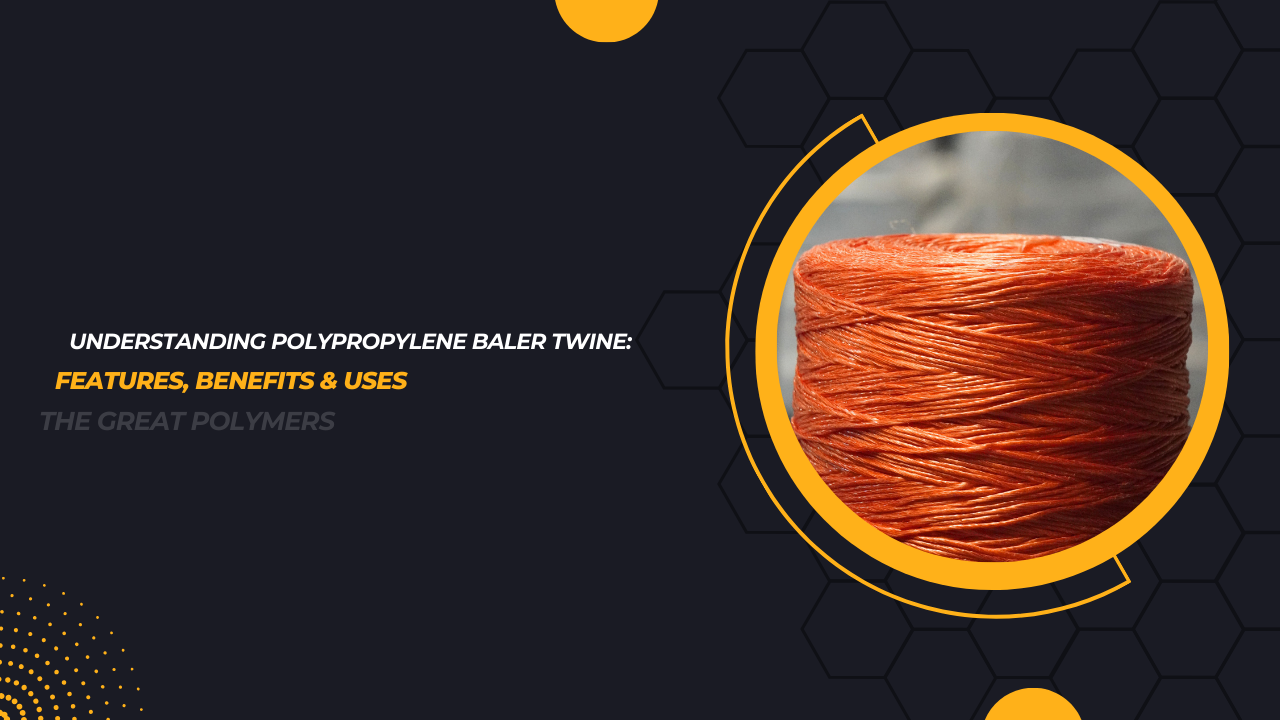
In modern agriculture and packaging industries, efficiency and durability are essential. One product that plays a crucial role in securing, bundling, and handling materials is Polypropylene Baler Twine. Known for its strength, lightweight properties, and cost-effectiveness, this twine has become a reliable solution for farmers, agricultural businesses, and industrial users worldwide.
In this detailed guide, we’ll explore what polypropylene baler twine is, its features, benefits, common uses, and how to choose the right type for your needs.
What Is Polypropylene Baler Twine?
Polypropylene baler twine is a synthetic binding material made from polypropylene (PP) polymer. It is specifically designed for use in baling machines that compress and tie materials such as hay, straw, silage, cotton, and other agricultural products into compact bales.
Unlike traditional natural fiber twines (such as sisal), polypropylene baler twine offers higher strength, better weather resistance, and longer shelf life.
Key Features of Polypropylene Baler Twine
1. High Tensile Strength
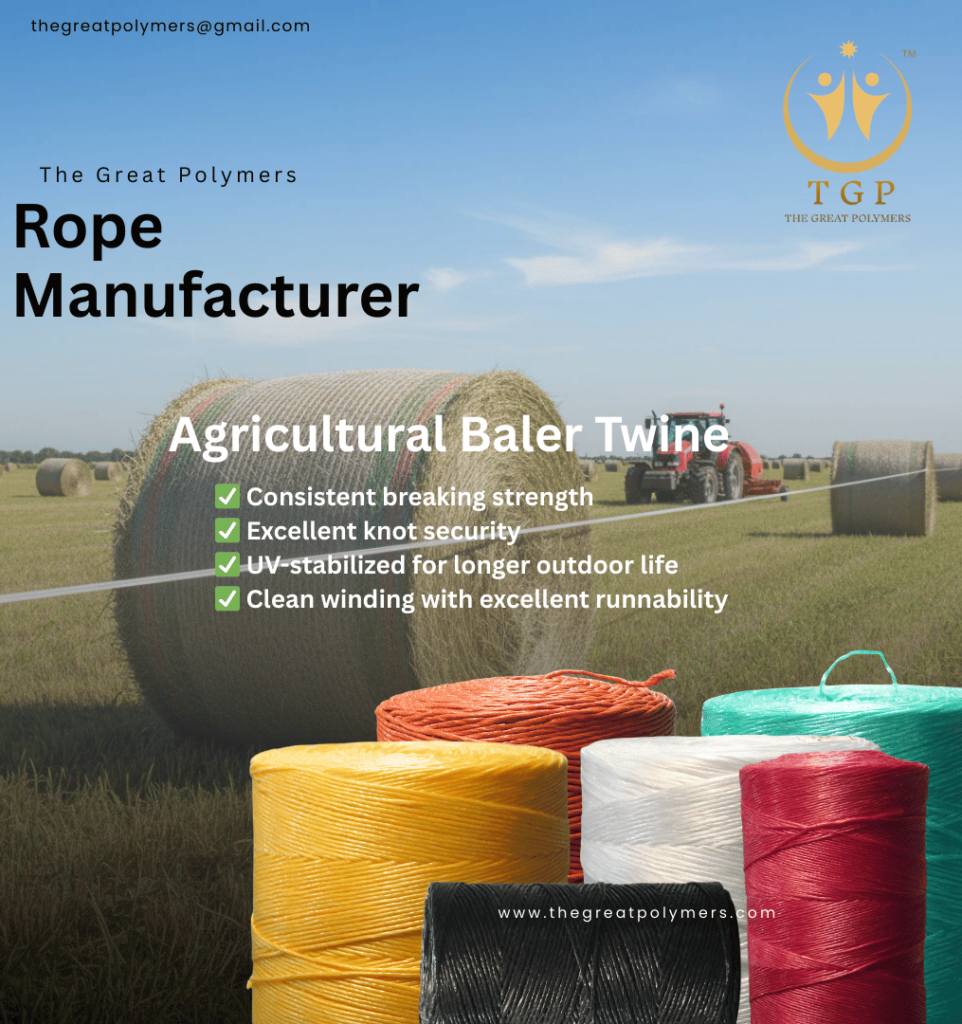
Polypropylene baler twine is engineered to withstand heavy loads without breaking. It maintains consistent knot strength, ensuring bales remain secure during handling and transportation.
2. Lightweight Yet Durable
Despite being lightweight, PP twine delivers impressive durability. It is easy to handle and reduces overall load weight, which is beneficial for transportation and storage.
3. UV Resistance
Quality polypropylene baler twine is UV-stabilized, protecting it from degradation caused by prolonged exposure to sunlight. This makes it ideal for outdoor storage.
4. Moisture & Rot Resistance
Unlike natural fibers, polypropylene does not absorb water. It resists mold, mildew, and rot, making it suitable for humid and wet conditions.
5. Chemical Resistance
PP twine can withstand exposure to various chemicals, oils, and agricultural fertilizers without weakening.
6. Uniform Diameter & Consistency
Manufactured under controlled processes, polypropylene twine maintains consistent thickness and strength, ensuring smooth performance in automatic and semi-automatic balers.
Benefits of Using Polypropylene Baler Twine
✔ Cost-Effective Solution
Polypropylene baler twine is more affordable compared to many alternative binding materials. Its durability reduces replacement frequency, lowering long-term costs.
✔ Improved Bale Security
Strong knot retention ensures bales stay tightly bound, reducing material loss during transport.
✔ Weather-Proof Performance
It performs reliably in extreme temperatures—both hot and cold—without becoming brittle or weak.
✔ Longer Shelf Life
Since polypropylene does not degrade easily, it can be stored for long periods without losing quality.
✔ Easy Handling
Smooth texture allows easy feeding through baling machines and minimizes machine wear.
Common Uses of Polypropylene Baler Twine
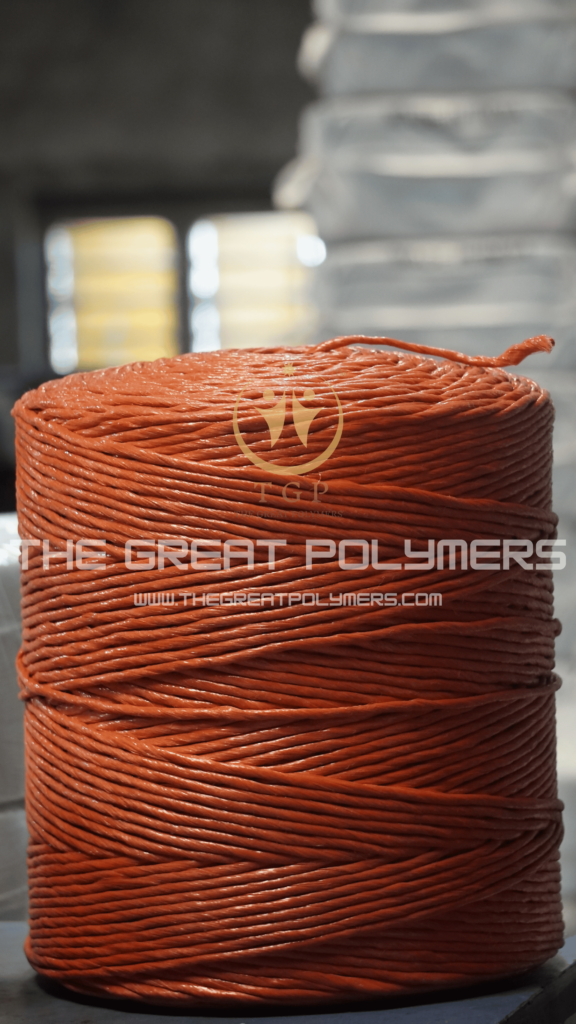
Polypropylene baler twine is widely used across agriculture and industry. Here are the primary applications:
1. Hay & Straw Baling
Farmers use it extensively for tying hay and straw bales, ensuring secure storage and transport.
2. Silage Bales
Its moisture resistance makes it suitable for silage packaging.
3. Cotton Baling
PP twine is commonly used in cotton farms for bundling compressed cotton bales.
4. Recycling & Waste Management
Used for bundling cardboard, paper, and recyclable materials in recycling facilities.
5. General Packaging & Bundling
Industries use it for securing lightweight goods and packaging tasks.
Polypropylene vs. Sisal Baler Twine
| Feature | Polypropylene Twine | Sisal Twine |
|---|---|---|
| Material | Synthetic | Natural fiber |
| Strength | High | Moderate |
| Water Resistance | Excellent | Poor |
| UV Resistance | High (UV-treated) | Low |
| Durability | Long-lasting | Biodegradable but less durable |
| Cost | More economical | Slightly higher in many markets |
Polypropylene twine is ideal for users seeking durability and weather resistance, while sisal is preferred in applications requiring biodegradability.
How to Choose the Right Polypropylene Baler Twine
Selecting the correct twine depends on several factors:
1. Bale Size & Weight
Heavier bales require higher tensile strength and thicker twine.
2. Type of Baler Machine
Check your baler’s specifications to ensure compatibility with twine size and length.
3. Climate Conditions
If bales are stored outdoors, choose UV-stabilized twine.
4. Length & Spool Weight
Twine is available in various spool sizes. Choose according to operational scale and machine capacity.
Environmental Considerations
Although polypropylene is not biodegradable like sisal, it is recyclable. Many recycling facilities accept polypropylene materials, making it possible to reduce environmental impact when disposed of properly.
Manufacturers today also focus on producing eco-conscious variants with improved recyclability and reduced material waste.
Storage & Handling Tips
To maintain optimal performance:
- Store in a cool, dry place.
- Keep away from direct sunlight before use.
- Avoid exposure to sharp objects that may damage the twine.
- Use within recommended shelf-life guidelines.
Proper storage ensures maximum strength and durability during use.
Why Polypropylene Baler Twine Is the Preferred Choice
Over the years, polypropylene baler twine has become the industry standard due to its balance of strength, affordability, and reliability. Whether used in small farms or large-scale agricultural operations, it offers dependable performance in demanding conditions.
Its resistance to moisture, UV rays, and chemicals makes it suitable for diverse climates and agricultural environments worldwide.
Frequently Asked Questions (FAQs)
1. What is polypropylene baler twine used for?
Polypropylene baler twine is primarily used for tying hay, straw, cotton, and silage bales. It is also used in recycling and packaging industries for bundling materials.
2. Is polypropylene baler twine better than sisal?
In terms of strength, durability, and weather resistance, polypropylene is superior. However, sisal is biodegradable, making it more environmentally friendly.
3. Is polypropylene twine waterproof?
Yes, polypropylene does not absorb water, making it highly resistant to moisture and rot.
4. Can polypropylene baler twine be recycled?
Yes, polypropylene is recyclable in many facilities. Proper disposal helps reduce environmental impact.
5. How do I choose the right twine strength?
Consider bale weight, baler type, and storage conditions. Heavier bales require stronger, thicker twine.
6. Does polypropylene twine degrade in sunlight?
High-quality polypropylene twine is UV-stabilized, which significantly reduces degradation from sunlight exposure.
7. Is polypropylene baler twine suitable for automatic balers?
Yes, it is designed for smooth feeding and consistent performance in both automatic and semi-automatic baling machines.
Polypropylene baler twine is a modern, efficient, and cost-effective solution for agricultural and industrial bundling needs. With its superior strength, weather resistance, and durability, it continues to replace traditional natural fiber twines in many applications.
By selecting the right specifications and storing it properly, users can maximize performance and ensure secure bale handling throughout the supply chain.
If you’re looking for reliable, high-quality baler twine, polypropylene remains one of the best choices available in today’s market.


Leave a reply