
Introduction
In industries where strength, durability, and reliability are essential, choosing the right rope material makes a significant difference. One of the most widely used synthetic ropes today is Polypropylene (PP) rope. Known for its lightweight structure, high strength, and excellent resistance to moisture, polypropylene rope has become a popular choice across many sectors.
From marine and fishing industries to construction, agriculture, and packaging, polypropylene rope provides a dependable solution for a variety of demanding tasks. Its ability to float on water, resist chemicals, and maintain durability in harsh environments makes it a practical and cost-effective option.
In this blog, we will explore why polypropylene rope is considered a smart choice, its key features, advantages, and how it is used across different industries.
What is Polypropylene Rope?
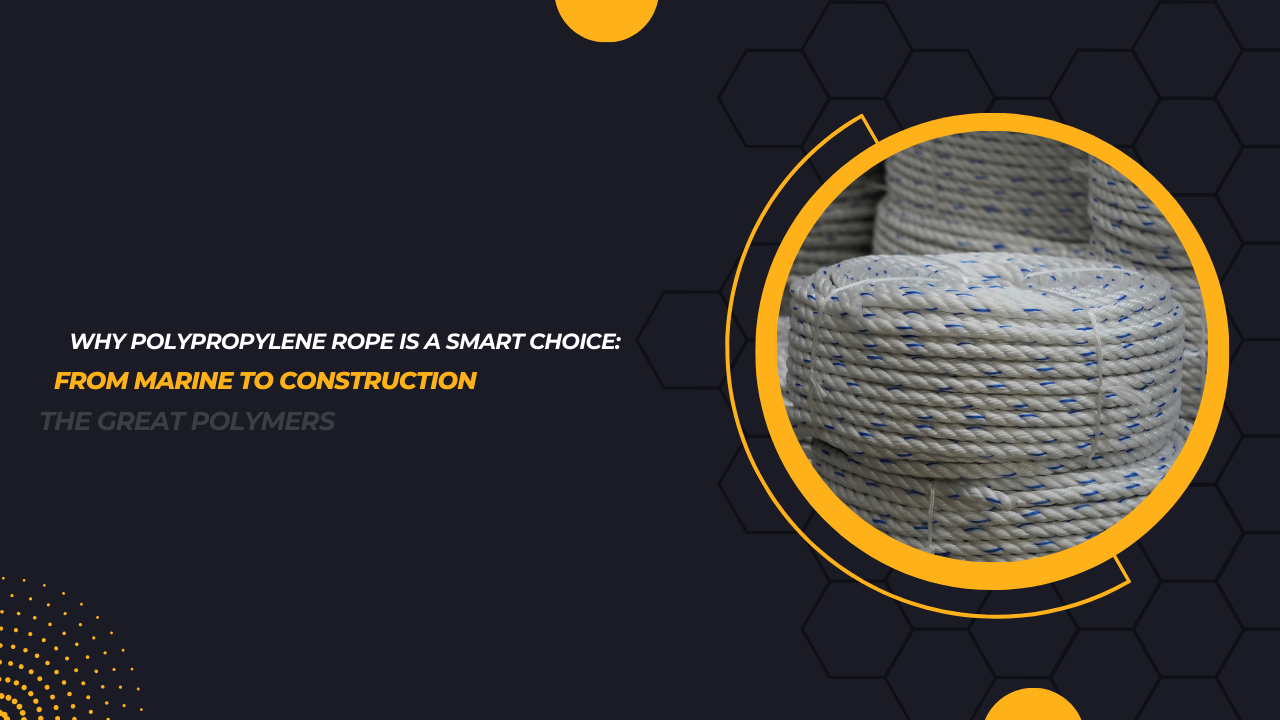
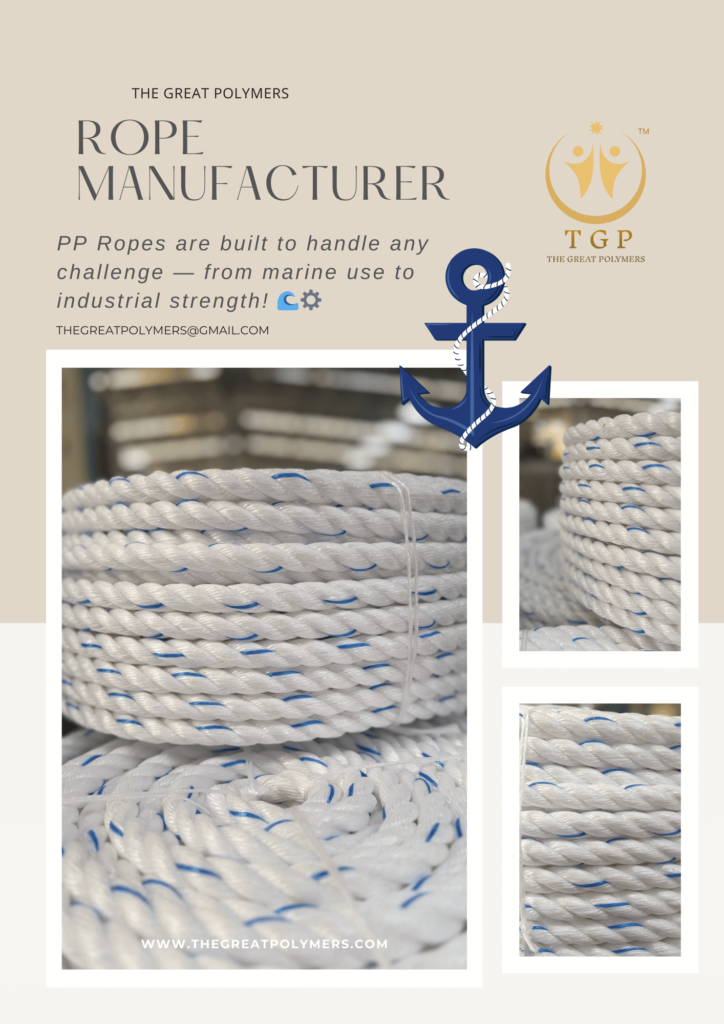
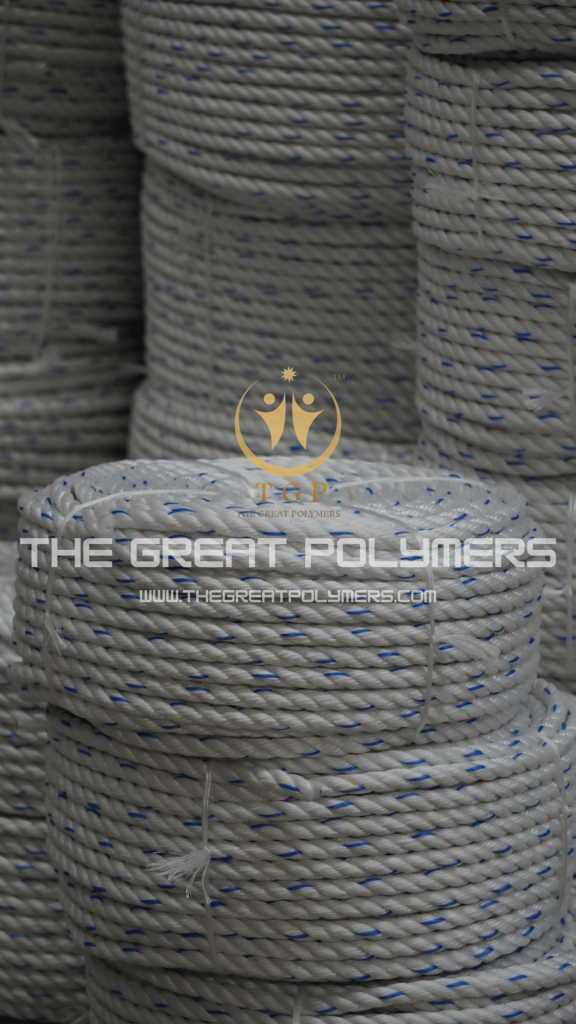
Polypropylene rope is a synthetic rope made from polypropylene fibers, a type of thermoplastic polymer widely used in industrial applications. The fibers are twisted or braided together to form strong and durable ropes available in different diameters, colors, and constructions.
Because of its excellent strength-to-weight ratio and resistance to environmental factors, polypropylene rope is commonly used in applications where lightweight yet durable rope is required.
Key Features of Polypropylene Rope
1. Lightweight and Easy to Handle
One of the biggest advantages of polypropylene rope is its lightweight nature. Compared to natural fiber ropes, PP rope is significantly lighter, making it easy to carry, transport, and handle during work operations.
This feature is especially beneficial in industries like fishing and marine operations, where workers often handle long lengths of rope.
2. Excellent Water Resistance
Polypropylene rope does not absorb water, which makes it ideal for wet or marine environments. Because of this property, it floats on water, making it easy to locate and retrieve when used in fishing or boating activities.
3. Strong and Durable
Despite being lightweight, polypropylene rope offers good tensile strength and durability. It can withstand heavy loads and repeated use without breaking easily, making it suitable for industrial and commercial applications.
4. Chemical and Rot Resistance
Unlike natural fiber ropes, polypropylene rope is resistant to chemicals, oils, mildew, and rot. This makes it reliable for long-term outdoor use where exposure to chemicals or moisture is common.
5. Cost-Effective
Another reason polypropylene rope is widely used is its affordability. Compared to other synthetic ropes such as nylon or polyester, polypropylene rope provides excellent performance at a lower cost.
6. UV Resistance
Many polypropylene ropes are manufactured with UV stabilizers, which help protect the rope from sunlight damage. This increases the rope’s lifespan when used outdoors.
Major Uses of Polypropylene Rope
1. Marine and Fishing Industry
Polypropylene rope is widely used in the marine sector due to its floating ability and resistance to saltwater.
Common marine uses include:
- Fishing nets and fishing lines
- Boat mooring and anchoring
- Dock lines
- Marine safety lines
Because the rope floats, it helps prevent tangling with underwater equipment and makes retrieval easier.
2. Construction Industry
In construction, ropes play an essential role in lifting, securing, and measuring materials.
Polypropylene rope is commonly used for:
- Safety barriers
- Mason line and layout marking
- Lifting lightweight materials
- Temporary securing of equipment
Its strength and flexibility make it a reliable option for construction workers.
3. Agriculture and Farming
Farmers and agricultural businesses use polypropylene rope for various tasks such as:
- Baling and bundling crops
- Fencing and livestock control
- Tying plants and supporting crops
- Securing loads on tractors and trailers
Because the rope resists moisture and chemicals, it performs well in outdoor farming environments.
4. Packaging and Transport
Polypropylene rope is often used in logistics and transportation industries for securing cargo and bundling goods.
Applications include:
- Truck load securing
- Warehouse bundling
- Industrial packaging
- Cargo handling
The rope’s flexibility and strength allow it to hold loads securely during transit.
5. Household and General Use
PP rope is also popular for everyday household tasks, including:
- Clotheslines
- DIY projects
- Camping and outdoor activities
- Garden use
- Craft and decorative work
Its affordability and availability make it a convenient option for general use.
Advantages of Polypropylene Rope Over Other Ropes
1. Better Than Natural Fiber Ropes
Traditional ropes made from materials like cotton, jute, or manila tend to absorb water and rot over time. Polypropylene rope, on the other hand, is water-resistant and long-lasting.
2. More Affordable Than Nylon
While nylon rope is stronger, it is also more expensive. Polypropylene rope provides good strength at a lower price, making it ideal for applications where cost matters.
3. Easier to Maintain
Polypropylene rope requires very little maintenance. It can be cleaned easily and stored without worrying about mold or mildew damage.
Factors to Consider When Choosing Polypropylene Rope
When selecting polypropylene rope for your application, consider the following factors:
Rope Diameter
The thickness of the rope determines its strength and load capacity. Larger diameters provide higher tensile strength.
Rope Construction
Polypropylene rope is available in twisted or braided constructions. Twisted ropes are commonly used in industrial applications, while braided ropes offer smoother handling.
Length and Color
Ropes are available in various lengths and colors depending on the application. Bright colors are often used for visibility in marine and construction environments.
Quality and Manufacturing Standards
Choosing rope from a reliable manufacturer ensures consistent quality, durability, and safety.
Why Businesses Prefer Polypropylene Rope
Many industries prefer polypropylene rope because it provides a perfect balance of performance, durability, and affordability. Businesses can rely on it for both heavy-duty industrial tasks and lightweight everyday applications.
Additionally, modern manufacturing processes allow polypropylene rope to be produced in different strengths, colors, and sizes, making it suitable for specialized industrial needs.
Conclusion
Polypropylene rope has become one of the most versatile and widely used ropes across many industries. Its lightweight design, water resistance, durability, and affordability make it a smart choice for applications ranging from marine operations to construction and agriculture.
Whether you are securing cargo, supporting fishing nets, or using rope in construction projects, polypropylene rope offers a reliable and efficient solution.
As industries continue to demand strong, cost-effective, and long-lasting materials, polypropylene rope remains a preferred option for professionals and businesses around the world.
FAQs
1. What is polypropylene rope used for?
Polypropylene rope is commonly used in marine, fishing, construction, agriculture, packaging, and household applications due to its strength and lightweight properties.
2. Does polypropylene rope float on water?
Yes, polypropylene rope floats on water, which makes it ideal for marine and fishing applications.
3. Is polypropylene rope strong?
Yes, polypropylene rope offers good tensile strength and durability, making it suitable for many industrial and commercial uses.
4. Is polypropylene rope resistant to chemicals?
Yes, polypropylene rope is resistant to many chemicals, oils, and moisture, which helps increase its lifespan in tough environments.
5. What sizes are available for polypropylene rope?
Polypropylene rope is typically available in various diameters ranging from about 2 mm to 32 mm or more, depending on the manufacturer.
6. Why is polypropylene rope popular in the fishing industry?
It is popular because it floats on water, resists saltwater damage, and remains lightweight, making it easier to handle during fishing operations.





Leave a reply