
Introduction
In the fishing and marine industry, rope performance is not just about strength—it’s about reliability, durability, and safety under harsh environmental conditions. From small fishing nets to heavy marine operations, the choice of rope directly impacts efficiency, cost, and long-term performance. Among the various rope materials available today, Polyethylene (PE) ropes ranging from 3mm to 32mm have become one of the most preferred solutions for fishing and marine applications worldwide.
PE ropes are widely used by fishermen, boat operators, aquaculture farms, and marine industries because of their lightweight structure, excellent tensile strength, water resistance, and cost-effectiveness. In this article, we explore in detail why 3mm to 32mm PE rope is ideal for fishing and marine applications, its key advantages, common uses, and why manufacturers and exporters from India are trusted globally.
Understanding PE Rope: What Makes It Special?
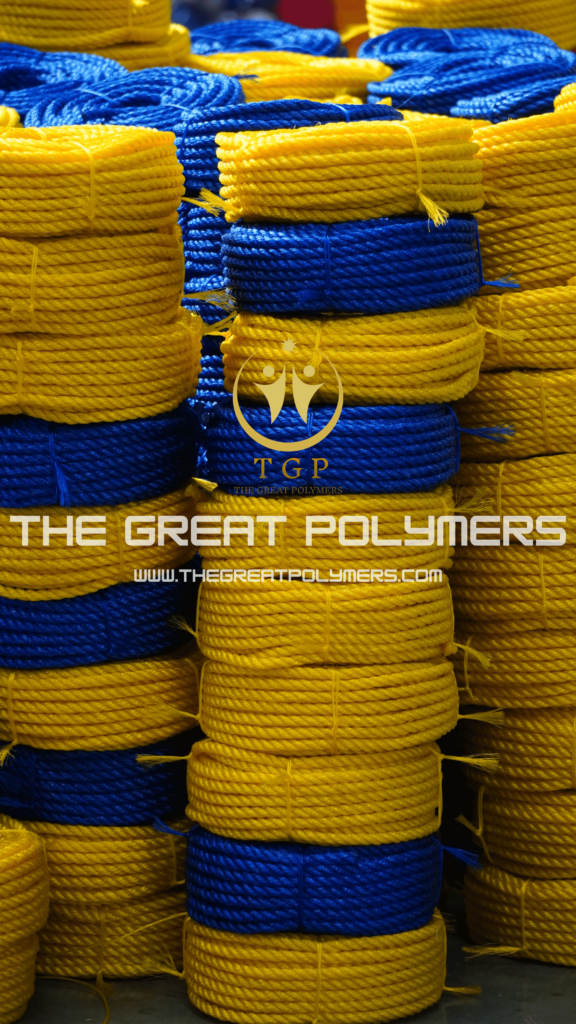
Polyethylene (PE) rope is manufactured using high-quality polyethylene granules, processed through advanced extrusion and twisting technology. The result is a rope that combines strength, flexibility, and durability while remaining easy to handle.
Unlike natural fiber ropes, PE ropes do not absorb water, rot, or degrade quickly in salty marine environments. This makes them especially suitable for coastal fishing, deep-sea fishing, and marine operations where exposure to seawater, sunlight, and heavy loads is constant.
Why 3mm to 32mm PE Rope Is Perfect for Fishing Applications
Fishing activities require ropes of different diameters depending on usage. The 3mm to 32mm size range covers almost every fishing requirement, from lightweight operations to heavy-duty marine use.
1. Lightweight Yet Strong
One of the biggest advantages of PE rope is its high strength-to-weight ratio. Even thicker PE ropes are significantly lighter than traditional materials like manila or coir. This makes handling easier for fishermen, reduces fatigue, and improves operational efficiency.
- 3mm to 6mm PE ropes are ideal for fishing lines, net making, float lines, and small-scale operations.
- 8mm to 16mm PE ropes are commonly used for fishing nets, anchor lines, and boat tying.
- 18mm to 32mm PE ropes are suitable for trawling, mooring, and heavy fishing equipment.
2. Excellent Water Resistance
PE rope does not absorb water. This is a critical feature for fishing and marine use, as water absorption can increase rope weight and reduce strength over time.
Because PE ropes remain lightweight even when wet:
- Net handling becomes easier
- Drying time is minimal
- Rope lifespan is significantly extended
This makes PE rope highly reliable for long fishing trips and continuous marine operations.
3. High Resistance to Saltwater and Chemicals
Saltwater is highly corrosive and can quickly damage inferior rope materials. PE ropes are naturally resistant to saltwater, oils, fuels, and most chemicals, making them perfect for marine environments.
Fishermen operating in oceans, seas, and coastal waters benefit from PE ropes that:
- Do not corrode
- Maintain strength over time
- Require less frequent replacement
4. UV Resistance for Long Outdoor Use
Fishing and marine ropes are constantly exposed to sunlight. UV rays can weaken low-quality ropes, leading to cracking and reduced tensile strength.
High-quality UV-stabilized PE ropes are designed to withstand prolonged sun exposure, ensuring:
- Longer service life
- Consistent performance
- Better return on investment
This is especially important for countries with strong sunlight, such as Saudi Arabia, UAE, Africa, and other coastal regions.
Why PE Rope Is Ideal for Marine Applications
Beyond fishing, PE ropes are extensively used in marine and port operations due to their versatile performance.
1. Floating Property for Marine Safety
One of the standout features of PE rope is its floating nature. Unlike nylon or polyester ropes that sink, PE ropes float on water, making them ideal for marine safety and operational visibility.
Floating PE ropes are widely used for:
- Lifelines
- Buoy lines
- Dock lines
- Marine barriers
This floating property reduces the risk of propeller entanglement and enhances safety during marine operations.
2. High Abrasion Resistance
Marine applications often involve friction against metal surfaces, docks, and rough edges. PE ropes offer excellent abrasion resistance, which prevents rapid wear and tear.
This durability ensures:
- Fewer rope failures
- Lower maintenance costs
- Safer working conditions
3. Flexibility and Easy Handling
Despite their strength, PE ropes remain flexible, making knotting, coiling, and handling easy—even in larger diameters like 24mm or 32mm.
This flexibility is essential for:
- Mooring operations
- Boat anchoring
- Cargo handling
4. Cost-Effective Solution
Compared to nylon or polyester ropes, PE ropes offer an excellent balance between performance and price. For fishing communities and marine industries operating on tight budgets, PE rope provides high value without compromising quality.
This affordability makes PE rope a preferred choice in both domestic and export markets.
Applications of 3mm to 32mm PE Rope in Fishing & Marine Industry
PE ropes in this size range are used across a wide spectrum of applications:
Fishing Applications
- Fishing nets
- Trawl lines
- Float lines
- Sink lines
- Net repairing
- Aquaculture farming
Marine Applications
- Mooring lines
- Dock lines
- Anchor ropes
- Marine safety lines
- Boat tying
- Port and harbor operations
Manufacturing Quality Matters
The performance of PE rope depends heavily on manufacturing quality. Trusted manufacturers use:
- Virgin PE raw materials
- Advanced extrusion technology
- Uniform twisting and braiding
- Strict quality control
Indian manufacturers, particularly companies like The Great Polymers, have earned global recognition for producing export-grade PE ropes that meet international standards.
Why PE Rope Manufacturers from India Are Trusted Globally
India has emerged as a major hub for PE rope manufacturing due to:
- Skilled workforce
- Modern production facilities
- Competitive pricing
- Consistent quality
Indian-made PE ropes are widely exported to:
- Middle East (Saudi Arabia, UAE)
- Africa
- Europe
- Southeast Asia
Buyers trust Indian manufacturers for custom sizes, colors, packaging, and bulk supply capabilities.
Choosing the Right PE Rope Diameter
Selecting the correct rope diameter is essential for safety and performance:
- 3mm–6mm: Light fishing lines, net repair, small applications
- 8mm–12mm: Net fishing, boat tying, general marine use
- 14mm–24mm: Mooring, anchoring, trawling
- 26mm–32mm: Heavy-duty marine and industrial use
Always consider load requirements, environmental conditions, and application type before choosing the diameter.
Sustainability and Long-Term Benefits
PE ropes are recyclable and have a long service life, which reduces waste and frequent replacement. Their durability helps lower overall operational costs, making them a sustainable choice for modern fishing and marine industries.
Frequently Asked Questions (FAQs)
1. What is PE rope used for in fishing and marine applications?
PE (Polyethylene) rope is widely used in fishing and marine applications due to its lightweight nature, high tensile strength, and resistance to water and salt. It is commonly used for fishing nets, trawl lines, float lines, mooring ropes, anchor lines, dock lines, and aquaculture farming operations.
2. Why is PE rope better than nylon or polypropylene for fishing?
PE rope is preferred for many fishing applications because it does not absorb water, remains lightweight even when wet, and floats on water. Compared to nylon, PE rope is more cost-effective, and compared to polypropylene, it offers better flexibility and abrasion resistance in marine environments.
3. Which PE rope size is best for fishing nets?
For fishing nets, smaller diameters such as 3mm to 8mm PE rope are commonly used. These sizes provide sufficient strength while remaining lightweight, making them ideal for net making, net repairing, and small-scale fishing operations.
4. What PE rope diameter is suitable for marine mooring?
Marine mooring typically requires 14mm to 32mm PE rope, depending on boat size and load requirements. Larger diameters offer higher strength and durability, making them suitable for anchoring, docking, and heavy marine operations.
5. Does PE rope float on water?
Yes, PE rope naturally floats on water. This floating property makes it ideal for marine safety lines, buoy lines, dock lines, and fishing operations where visibility and safety are important.
6. Is PE rope resistant to saltwater?
PE rope is highly resistant to saltwater, oils, and most chemicals. This resistance prevents corrosion and degradation, ensuring long service life even in harsh marine environments.
7. How long does PE rope last in marine conditions?
The lifespan of PE rope depends on usage, load, and exposure, but high-quality PE ropes with UV stabilization can last several years in marine and fishing environments with minimal maintenance.
8. Is PE rope UV resistant?
Yes, premium PE ropes are UV stabilized to resist damage from prolonged sunlight exposure. This feature helps maintain strength, flexibility, and color over time, especially in regions with strong sunlight.
9. Can PE rope be used for heavy-duty marine applications?
Absolutely. 18mm to 32mm PE ropes are designed for heavy-duty marine and industrial use, including trawling, anchoring, mooring, and port operations.
10. Is PE rope suitable for aquaculture farming?
Yes, PE rope is widely used in aquaculture due to its resistance to water, chemicals, and algae growth. It is commonly used for cage lines, net support, and marine farming structures.
11. What are the advantages of PE rope over natural fiber ropes?
Compared to natural fiber ropes, PE ropes do not rot, absorb water, or lose strength when wet. They are lighter, more durable, and require significantly less maintenance, making them ideal for long-term fishing and marine use.
12. Can PE ropes be customized in size and color?
Yes, PE ropes can be manufactured in custom diameters (3mm to 32mm), colors, lengths, and packaging to meet specific fishing and marine requirements.
13. Are PE ropes manufactured in India suitable for export?
Yes, Indian manufacturers produce export-quality PE ropes that meet international standards. These ropes are widely exported to the Middle East, Africa, Europe, and Southeast Asia due to their consistent quality and competitive pricing.
14. How do I choose the right PE rope for my application?
To choose the right PE rope, consider:
- Load capacity
- Rope diameter
- Environmental exposure
- Application type (fishing, mooring, anchoring)
Consulting a reliable PE rope manufacturer can help ensure the best selection.
15. Is PE rope environmentally friendly?
PE rope is recyclable and has a long service life, reducing frequent replacement and waste. Its durability makes it a more sustainable choice compared to short-life rope materials.
Conclusion
The 3mm to 32mm PE rope range offers unmatched versatility, strength, and reliability for fishing and marine applications. With features like lightweight construction, water resistance, UV stability, floating ability, and cost efficiency, PE rope has become an industry standard worldwide.
Whether used for small fishing operations or heavy marine tasks, PE ropes deliver consistent performance in the most demanding environments. When sourced from experienced manufacturers, these ropes provide long-term value, safety, and operational efficiency—making them the ideal choice for the global fishing and marine industry.
3mm to 32mm PE Rope Is Ideal for Fishing and Marine Applications


Leave a reply